

Cappadocia’s Zemi Valley is one of the longest and most enchanting hiking trails in the region. Spanning approximately 5,600 meters, it derives its name from the Zemi Stream that flows through it. Known for its serene beauty and rich historical landmarks, the valley offers an unparalleled experience for nature enthusiasts and history lovers alike. As you explore, you’ll come across various Roman tombs, lush orchards, and a variety of ancient churches that reflect Cappadocia’s deep historical and cultural heritage.
Walking through Zemi Valley, you’ll encounter an array of fruit trees, including plum, mulberry, cherry, pear, apricot, sour cherry, and hazelnut trees. The tranquil ambiance, combined with the breathtaking scenery, makes it an ideal spot for a peaceful hike or a day of exploration. Among the valley’s many treasures are the Sarnıç Church, El Nazar Church, Karabulut Church, Görkündere, and the Saklı (Hidden) Church, each offering a glimpse into Cappadocia’s fascinating past.
History of Cappadocia Zemi Valley
Beyond its historical treasures, Zemi Valley offers a unique blend of natural beauty and cultural richness. The presence of Roman tombs scattered along the trail speaks to the valley’s significance in ancient times. The tranquil sound of the Zemi Stream accompanies hikers, creating a serene atmosphere that contrasts with the rugged landscapes of Cappadocia.
The valley’s orchards, dotted with fruit-bearing trees, provide not only shade but also a visual feast for visitors. During spring and summer, the vibrant blooms add an extra layer of charm to the hiking experience, making Zemi Valley a seasonal favorite for photographers and nature lovers.
For those seeking a comprehensive Cappadocia adventure, Zemi Valley serves as a gateway to the region’s lesser-known yet equally mesmerizing sites. Whether you’re captivated by its historical churches, enchanted by its lush landscapes, or intrigued by its Roman relics, the valley promises an unforgettable journey through time and nature.
Historical Churches in Cappadocia Zemi Valley
Sarnıç Church
Named after its historical use as a cistern, the Sarnıç Church still bears water stains on its interior walls. Located just 200 meters from Karabulut Church, it is a must-see site within Zemi Valley. Its vibrant frescoes, particularly the medallion portraits of saints, remain remarkably well-preserved. The vivid imagery and historical ambiance make it an exceptional stop for visitors.
El Nazar Church
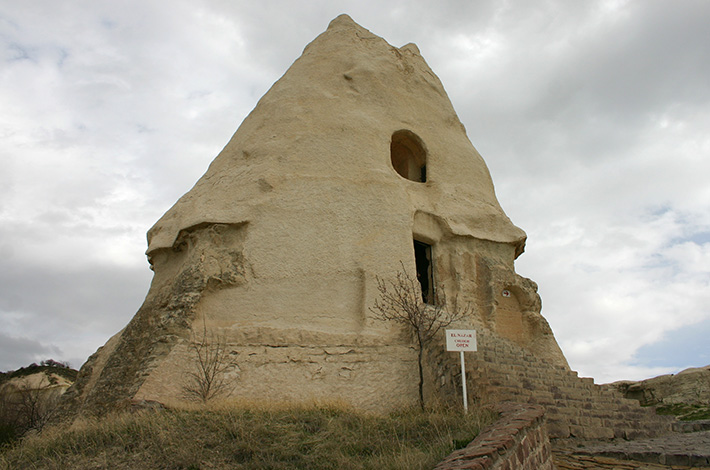
El Nazar Church is carved into one of Cappadocia’s iconic fairy chimneys. Although part of its floor and apse have suffered damage over the years, the church remains a fascinating landmark. Thought to date back to the late 10th century, it is located about 800 meters from the Göreme Open-Air Museum. The frescoes inside are arranged in chronological order, depicting various biblical scenes that offer a narrative journey through Christian history.
Karabulut Church
Reaching Karabulut Church requires a climb to its elevated entrance, which lacks a traditional door. This inaccessibility has preserved the church’s frescoes, making it a hidden treasure within the valley. Its remote location and stunning artwork offer a sense of solitude and discovery for those who venture to visit.
Saklı (Hidden) Church
Discovered in 1957, the Hidden Church earned its name due to its secluded location on a steep slope and its previously collapsed entrance. The frescoes here, painted directly onto the rock surface, are noteworthy for their vibrant use of red and intricate depictions of biblical scenes. Highlights include The Annunciation to Mary, The Nativity, The Presentation of Jesus at the Temple, The Baptism of Christ, The Crucifixion, and The Death of Mary. The church’s richly adorned cross on the ceiling and its architectural resemblance to early Mesopotamian churches are particularly striking. Believed to have been constructed in the second half of the 11th century, the Hidden Church is a testament to the artistic and architectural ingenuity of its time.